
Blog
Table of Contents
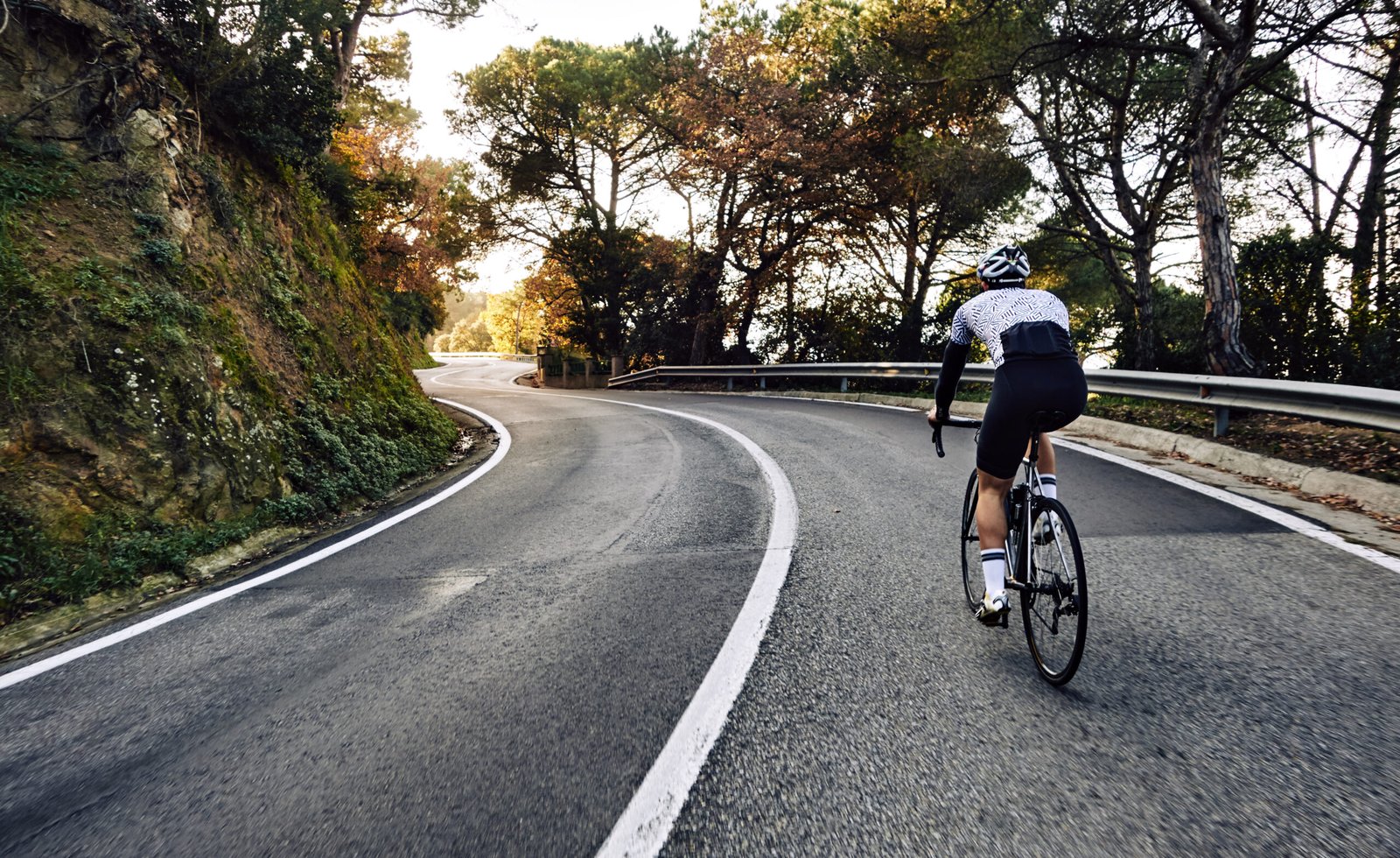
Traffic is usually the number one reason people hesitate to start cycling, or stick to empty parks instead of actually going anywhere. Fair enough — but a lot of what makes riding in traffic feel dangerous comes down to a handful of fixable habits, not bad luck. Here's what actually helps, starting with the basics and working through the situations that trip up most beginners.
Be Predictable, Not Just Careful
Drivers react to what they expect, not what's technically correct. Riding in a straight line, signaling turns clearly, and avoiding sudden swerves matters more than most people realize — a predictable rider is a safer rider, even more than a cautious one who weaves unpredictably around obstacles. Drivers are constantly making split-second decisions based on where they think you're going to be a second from now. Every sudden move — swerving around a pothole without warning, drifting toward the curb and back — forces them to react on the fly, and that's where mistakes happen on both sides.
Claim Your Lane When You Need To
New riders often hug the edge of the road, assuming it's safer — but riding too close to parked cars or the curb actually increases risk, from doors opening unexpectedly to drivers trying to squeeze past in spaces too tight to be safe. It's usually safer to ride a bit further into the lane, especially on narrower roads, even if it feels counterintuitive at first. A general rule: if a driver could pass you without changing lanes, you're probably too close to the edge. Ride far enough out that overtaking actually requires them to move over, not just nudge closer.
Make Eye Contact at Intersections
Before crossing in front of a car — at a junction, a driveway, or a turning lane — try to make eye contact with the driver if you can. It takes a second and tells you far more reliably than assuming they've seen you. A driver looking directly at you has, at minimum, registered that you're there. A driver looking at their phone, or scanning past you toward oncoming traffic, hasn't — and that's the moment to slow down and wait rather than assume right-of-way will protect you.
Use Lights, Even in Daylight
A flashing front and rear light dramatically improves how visible you are, even during the day. It's one of the cheapest, easiest safety upgrades available, and it matters more than most riders expect until they've actually tried riding with and without one. Daytime running lights on cars exist for the same reason — movement and flashing light patterns catch peripheral vision far more effectively than a static shape does, especially against a busy background of other traffic.
Wear a Helmet, Every Time
Not just on longer rides — a helmet matters on short trips too, since most incidents happen closer to home than people assume, often on familiar routes ridden at low speed. It's the easiest habit to build and the hardest one to regret having built. If cost or comfort has been the reason you've skipped it, it's worth trying a few different models — fit varies a lot between brands, and a helmet that fits well is one you'll actually want to wear.
Know the Difference Between Bike Lanes and Bike-Friendly Roads
A marked cycling lane is the safest option when available. When there isn't one, wider roads with lower traffic speed are generally safer than narrow roads with faster-moving cars, even if the narrow road feels more direct. Planning your route around this, rather than just picking the shortest path, makes a bigger safety difference than almost any other single decision you'll make. It's worth spending a few minutes mapping a route in advance rather than improvising once you're already riding — you'll make better decisions calm, at home, than mid-ride with traffic bearing down on you.
Reading the Road Ahead
Good cyclists are usually scanning further ahead than new riders realize — watching for car doors about to open, brake lights two cars up, a pedestrian about to step off a curb. This isn't a special skill so much as a habit you build with time: instead of watching the wheel in front of you, keep your eyes moving further down the road, the same way experienced drivers do. It buys you reaction time, which is usually the difference between a close call and an actual incident.
Handling Roundabouts and Busy Intersections
These tend to be where new riders feel most exposed, and for good reason — multiple directions of traffic converging at once. A few things help: signal your intended exit early, hold your line rather than cutting across lanes, and don't be afraid to take the lane fully rather than hugging the inside edge, since that's often where drivers least expect a cyclist to be. If a roundabout or intersection genuinely feels too chaotic, it's completely reasonable to dismount and walk your bike across as a pedestrian instead — there's no rule that says you have to ride through everything.
Riding at Night or in Low Light
Everything above matters more after dark. Lights stop being optional at that point — front white, rear red, ideally both flashing rather than static, since flashing patterns are more noticeable. Reflective strips on a jacket or backpack add another layer of visibility drivers pick up on well before headlights alone would reveal you. If a route feels manageable in daylight but genuinely unsafe at night, it's fine to simply avoid riding it after dark rather than pushing through.
Weather Considerations
Wet roads change your stopping distance significantly, and painted road markings or metal drain covers get noticeably slippery when damp — worth avoiding sudden braking or sharp turns directly on top of them. In stronger wind, especially crossing large open roads or roundabouts, give yourself a little more space from the curb than usual, since gusts can push a bike sideways more than most new riders expect.
Common Mistakes Beginners Make in Traffic
A few patterns show up often enough to be worth naming directly:
- Braking too hard at the front only — this can lock the front wheel and throw you forward; both brakes together, front slightly harder than rear, is the safer habit
- Looking at what you're trying to avoid — bikes tend to go where your eyes are pointed, so fixating on a pothole or a car often steers you closer to it, not away
- Riding too far into your own head — some of the most avoidable close calls happen when a rider is distracted rather than actually reacting to something genuinely unpredictable
- Assuming eye contact means the driver will wait — it improves your odds, but it isn't a guarantee; keep a mental "out" in case they move anyway
Quick Safety Checklist
- Helmet on, every ride, no exceptions
- Front and rear lights, even during the day
- Ride in a straight, predictable line
- Claim enough lane space — don't hug the curb
- Make eye contact at intersections before crossing
- Choose wider, slower roads over narrow, faster ones when possible
- Scan further down the road, not just the wheel in front of you
- Extra caution — and extra lights — after dark
- Ease off sharp braking or turns on wet paint and drain covers
- Consider riding with a group while you're still building confidence
Frequently Asked Questions
Is it actually safe to cycle in traffic?
Should I ride on the road or the sidewalk?
How do I get more comfortable riding in traffic?
Do I need lights if I only ride during the day?
Call-To-Action
Confidence in traffic mostly comes from repetition — the more you ride, the more these habits become automatic rather than something you're actively thinking about. If riding traffic alone still feels like a lot, group rides are a genuinely easier way to build that confidence, since you're not making every decision solo.