
Blog
Table of Contents
If you’ve ever looked down at your handlebars, seen a row of numbers, and had no idea what they actually do — you’re not alone. It’s one of the most common questions new riders have, and once you get the one core idea behind it, the rest makes a lot more sense.
The Basic Idea
A bike's gear system exists to do one thing: let you control how hard or easy it is to pedal, depending on the terrain. Lower gears make pedaling easier but slower — good for climbing. Higher gears make each pedal stroke cover more ground — good for flat roads or going downhill, but harder on your legs to get moving.
That's really it. Everything else is just mechanics making that happen
How the Mechanism Actually Works
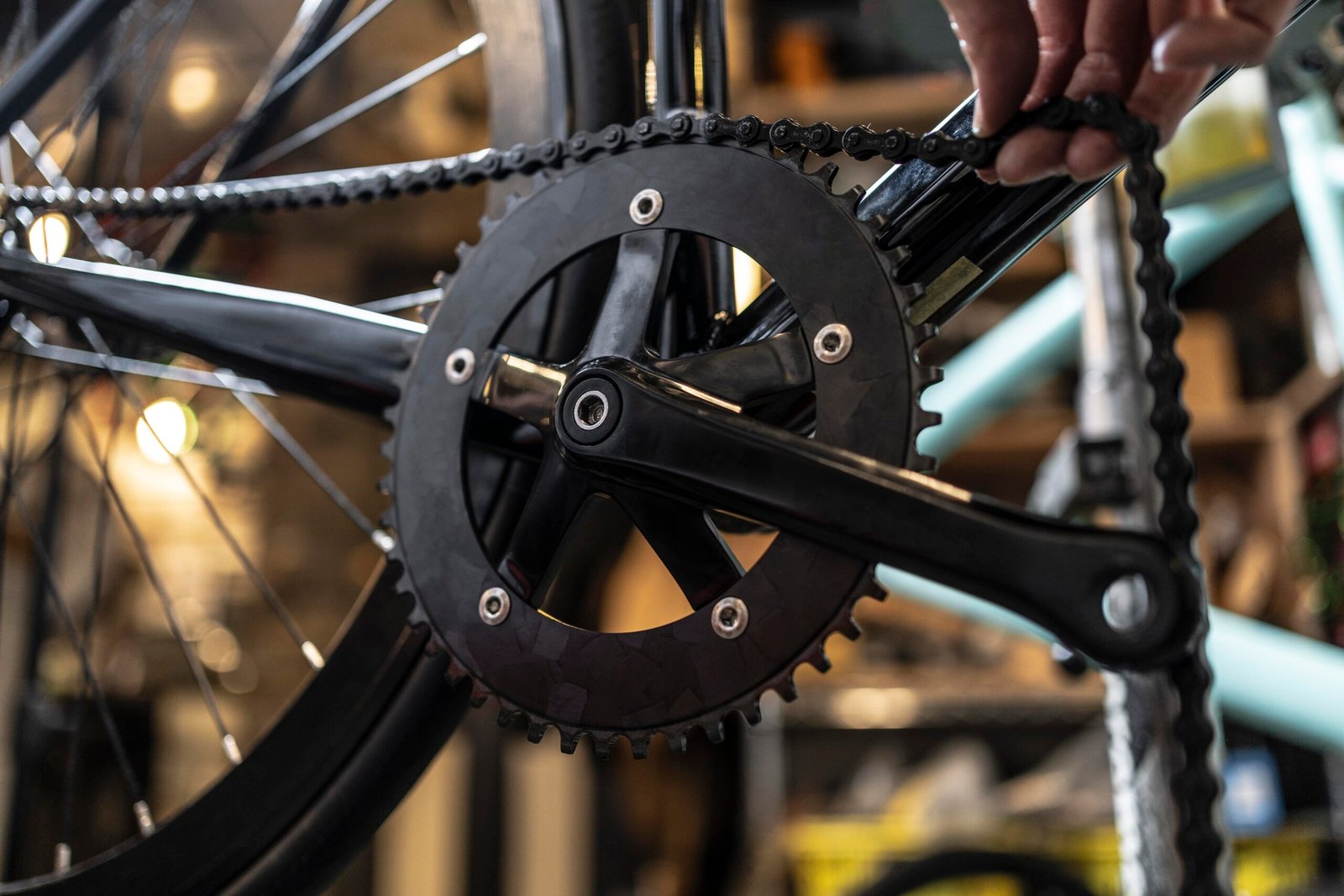
Most bikes use two sets of toothed gears: one attached near the pedals (called the chainring) and one attached to the rear wheel (called the cassette or freewheel, made up of several gears of different sizes). A chain runs between them, and shifting gears moves the chain onto a different-sized gear on one or both ends.
- A bigger gear in the back, paired with a smaller one in front, makes pedaling easier — each turn of the pedals moves the wheel less, which is what you want going uphill.
- A smaller gear in the back, paired with a bigger one in front, makes pedaling harder but more efficient — each pedal stroke moves you further, which works well on flat ground or downhill.
The shifters on your handlebars control derailleurs — small mechanisms that physically push the chain from one gear to the next when you shift.
When to Actually Shift
This is usually the more practical question once the mechanics make sense. A few general habits:
- Shift before a hill, not during it. Once you're already struggling to pedal, it's harder for the chain to shift smoothly under that much tension.
- Keep pedaling lightly while you shift. The chain needs to be moving for the derailleur to move it between gears cleanly.
- Lower gear for climbs, higher gear for flats and descents. If you're not sure which way is "lower," shift one at a time and feel whether pedaling got easier or harder.
- Don't be afraid to shift often. Frequent small adjustments are normal and expected — you're not doing anything wrong by shifting every few minutes on a route with changing terrain.
A Common Beginner Mistake
New riders often stay in one gear the whole ride because switching feels like it’ll mess something up. It won’t — derailleurs are built to be shifted constantly, and riding in the wrong gear for the terrain just makes the ride harder than it needs to be. If your legs are burning on a flat stretch, or you’re straining on a hill, that’s usually a sign it’s time to shift, not push through.
Quick Reference
Situation | Shift toward |
|---|---|
Climbing a hill | Lower gear (easier pedaling) |
Flat road | Middle gear |
Downhill / building speed | Higher gear (harder pedaling, more distance per stroke) |
Starting from a stop | Lower gear |
Call-To-Action
Understanding your gears makes a real difference once you’re out on an actual ride — especially somewhere like the Margalla Hills roads, where the terrain changes more than people expect. If you want to practice this with other riders rather than figuring it out solo, we run regular group cycling rides where it’s easy to ask questions mid-ride.